One easy way to reduce salt in your diet is to replace the salt you use with herbs.
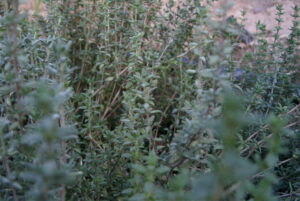
Thyme, like salt, enhances flavors. Unlike salt, though, thyme doesn’t give you hypertension or weaken your kidneys.
As you cook, when you would add salt, add dried thyme instead. This common garden herb has what I think of as an adaptable flavor. If you pair it with chicken, you taste chicken, and it makes the chicken taste better.
For example:
The only salt in my homemade chicken noodle soup is in the broth, about a 1/2 teaspoon for three cups. As the broth simmers into soup, along with carrots and celery, I add dried thyme. Add fresh thyme when you serve. Thyme enhances the natural flavor of foods and is a natural substitute for salt.
Sage is also an excellent substitute for salt when cooking roasts.
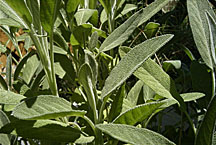
Sage has a pungent aroma and a strong, earthy flavor to it. A mix of dried sage, dried thyme, and dried oregano rubbed into a pork roast before cooking means no salt necessary, during cooking or when it’s served. Add some fresh oregano, though, at the end, for extra earthiness and depth.
Rosemary sprigs and cut lemon stuffed inside a chicken for roasting enhances the flavor of the chicken and the subsequent gravy. You’ll need very little salt to finish this dish.
A dried herb mix of rosemary, oregano, basil and parsley is the perfect seasoning blend for Italian meatballs. Add the herbal mix to the raw ground turkey and bread crumbs, cook the meatballs in the slow cooker in a homemade red sauce and serve up a low sodium plate of spaghetti and meatballs.
I grow a selection of herbs in my garden: parsley, sage, rosemary, thyme, basil, oregano, and dill. I use them both fresh and dried and keep the salt cellar to the side.
